
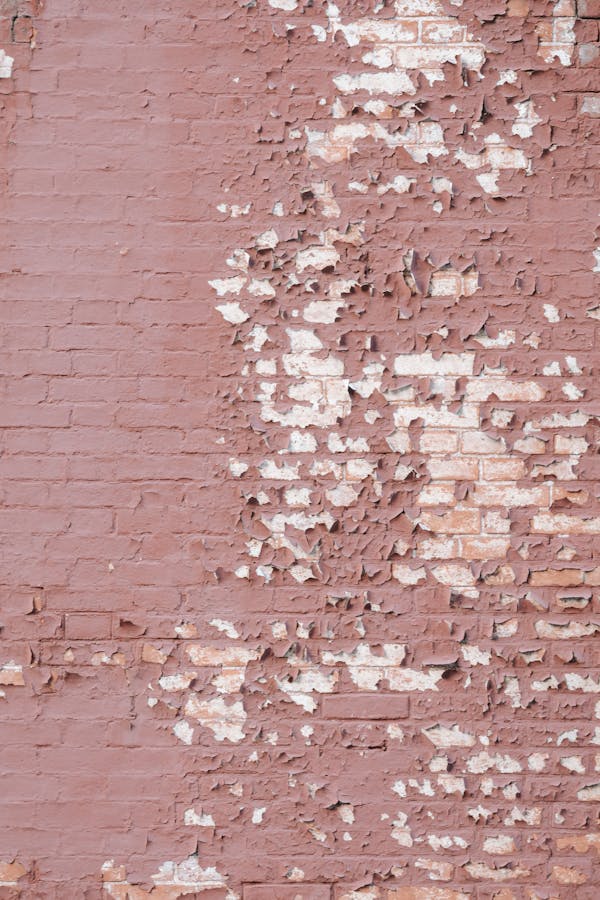
When it comes to painting the exterior of your home, primer might seem like an optional step, but its importance cannot be overstated. Primer acts as a foundation for your paint, providing a smooth and even surface for the colors applied over it. The application of primer at the start of a painting job offers numerous benefits that ultimately lead to a longer-lasting and more durable finish. Let’s explore why primer is essential in exterior painting and how it can significantly enhance your home improvement project.
What is Primer?
Primer is the first layer of coating applied before painting to enhance paint’s adhesion, improve durability, and provide a uniform surface for paint application. It acts as a bond between the substrate (the surface being painted) and the paint layer, ensuring that the paint adheres well and remains intact over time.
Why Use Primer for Exterior Painting?
- Enhances Adhesion: Primer creates a smooth and even surface that allows the paint to adhere better to the surface. This prevents peeling, cracking, and blistering, which can occur when paint is applied directly to bare surfaces.
- Improves Durability: Exterior surfaces are exposed to harsh weather conditions such as sunlight, rain, and temperature fluctuations. Primer seals the surface, protecting it from moisture and UV rays, which can cause paint to fade and degrade prematurely.
- Seals Porous Surfaces: Some exterior materials, such as wood and concrete, are porous and absorbent. Application of primer as the first step of an exterior painting seals these pores, preventing the paint from being absorbed unevenly and ensuring a consistent finish.
- Blocks Stains and Tannins: Certain surfaces, especially wood, may contain natural oils, stains, or tannins that can flow out through paint layers over time, causing discoloration. Primer blocks these stains, preserving the appearance of the paint.
- Promotes Even Color and Sheen: Applying primer evens out the surface texture and color of the substrate, allowing the paint to achieve its true color and sheen. This is particularly important when transitioning from dark to light colors or when using high-sheen paints.
- Improves Paint Coverage: Primer creates a base that allows paint to cover more efficiently with fewer coats. This not only saves time and effort but also reduces the amount of paint needed for the project.
Types of Primers for Exterior Painting
- Oil-Based Primers: Ideal for blocking stains and tannins, oil-based primers provide excellent adhesion and durability. However, they require longer drying times and proper ventilation during application.
- Latex-Based Primers: Water-based latex primers are popular for their quick drying time, easy cleanup, and low odor. They are suitable for most exterior surfaces and provide good adhesion and flexibility.
- Shellac-Based Primers: Shellac primers are effective at sealing difficult surfaces such as knots in wood and water stains. They dry quickly and provide excellent stain-blocking properties.
Conclusion
In conclusion, primer is not just a preparatory step but a crucial component of any exterior painting project. It enhances adhesion, improves durability, and ensures a smooth and uniform finish that withstands the elements over time. By investing in quality primer and applying it correctly, you can protect your home’s exterior, enhance its appearance, and extend the lifespan of your paint job. Whether you’re painting wood siding, concrete walls, or metal trim, primer sets the stage for a successful and long-lasting paint finish.
